

It’s been nearly six years since my partner and I moved to Toronto from western Canada. I’d lived here briefly in the late-Aughts, she’d only visited. Neither of us had a good sense of where exactly we wanted to live.
We went against the grain, moving into a 50 story apartment building a block south of Bloor as a convenient landing point. It served us fine, for the most part, but we realized we wanted a slightly quieter neighbourhood and we’d tolerate a bit of a commute. So we moved to Leslieville.1
We spent a lot of time scouting out the neighourhood, trying to get a sense of what daily life would look like. It’s a pleasant neighbourhood with a lot of nice restaurants, right on two streetcar lines. It didn’t take us long to decide we wanted to move there, but we were pretty firm on wanting a purpose built rental building, and there were very few options. After watching one particular building like hawks, we eventually got there. It was a nice place to live, except when it wasn’t.
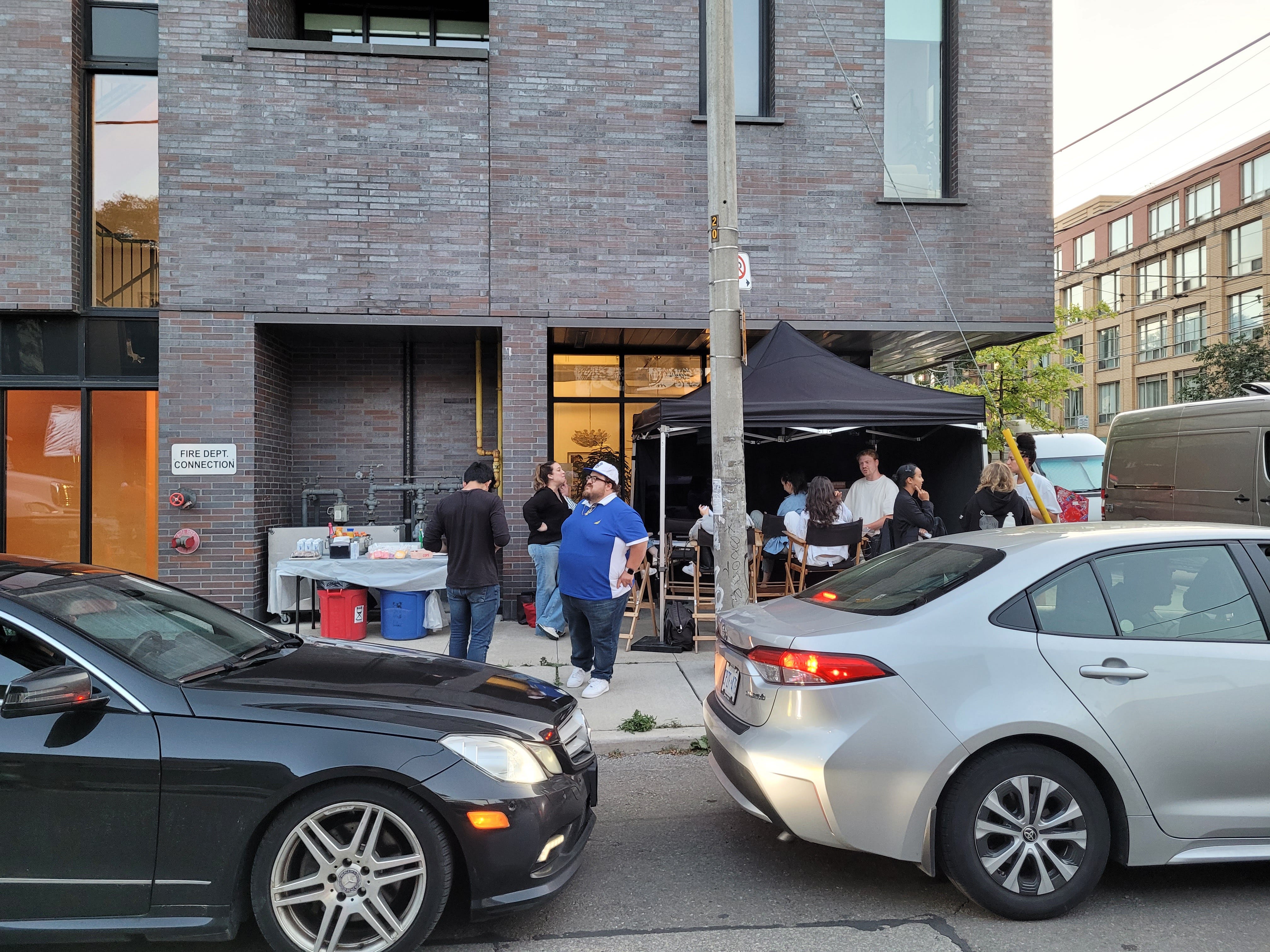
Leslieville is a microcosm of a lot of the tradeoffs Toronto faces. It’s a big, growing city, that needs to funnel an increasing number of residents through narrow old streets into the downtown core. It also faces commercial pressures (from the exorbitant cost of keeping restaurants in business to the constant nuisance of film crews looking for places to shoot). It’s also grappling with being a streetcar suburb built well before the advent of ubiquitous SUVs and well manicured pickup trucks.
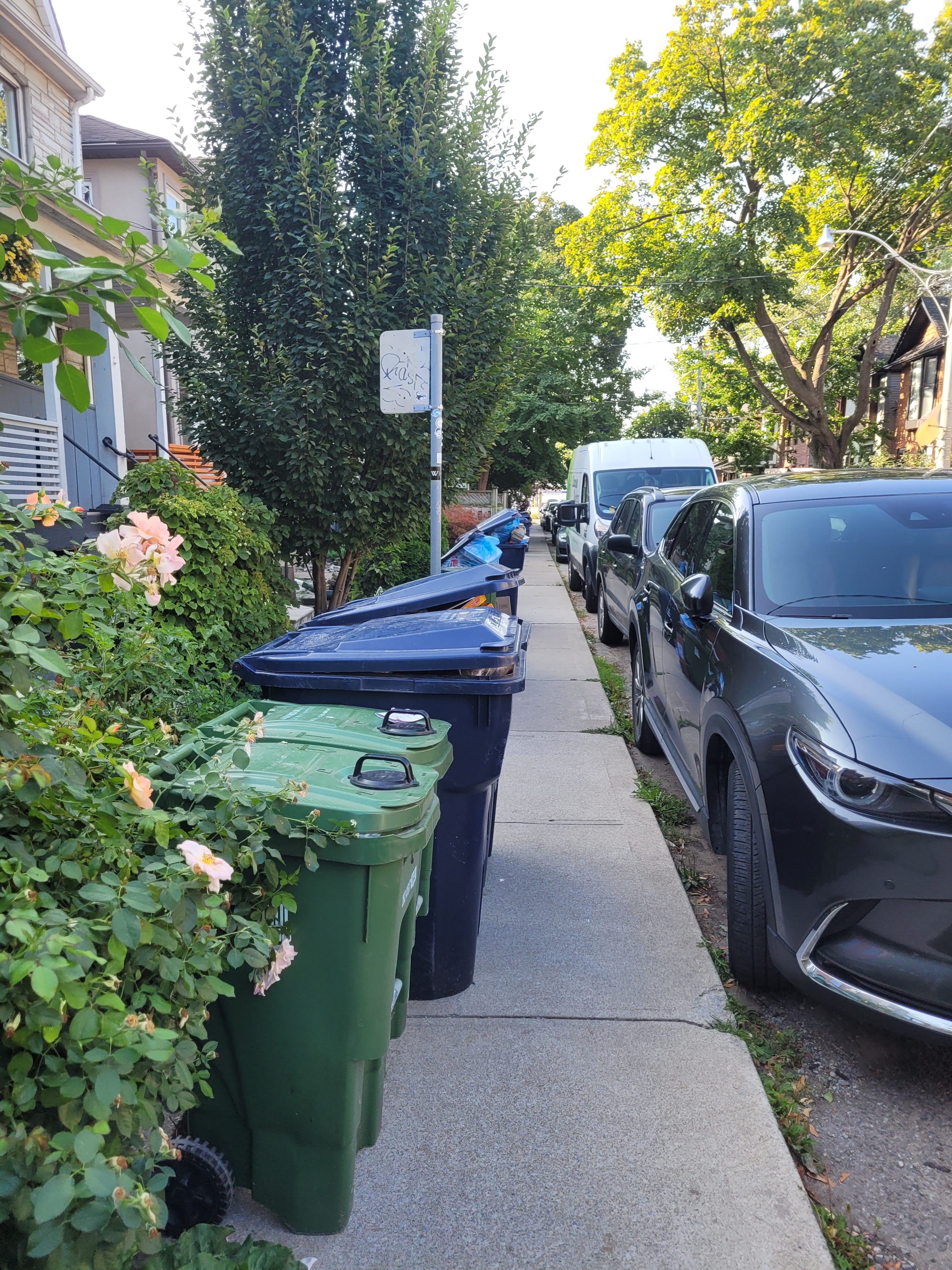
Little things constant noise of living on Queen Street (punctuated by old guys on motorbikes blaring Steppenwolf to remind the world they’re still alive), the nuisance of film crews, and the oversized cars rendering the sidewalks genuinely unpleasant on a regular basis - these are the kind of annoying tradeoffs we could have lived with. It’s the streetcars that got us - or the lack thereof.
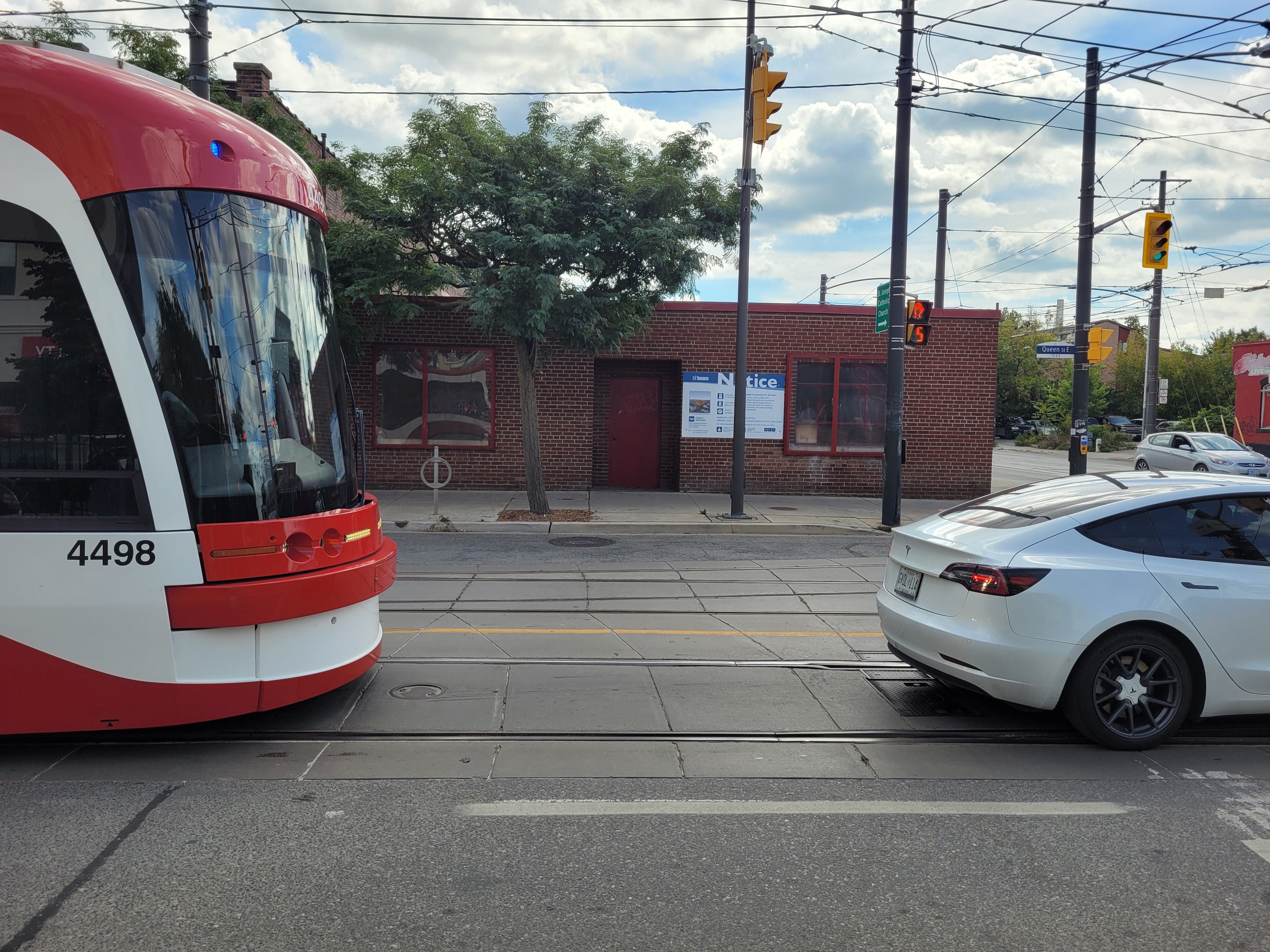
When we first arrived in Leslieville, it was served by two streetcar routes. The 503, which started in the west end, travelled down King Street, bent up to Queen Street as it crossed the DVP, and turned up Kingston Road to serve Upper Beaches. The other was the 501, which crossed the old city from east to west along Queen Street. This is all past tense, since the 503 has been in and out of service (mostly out) for years due largely to track maintenance, and the 501 is in the midst of a nearly half-decade re-routing to deal with Ontario Line construction. I wrote about the ritual my partner and I had trying to figure out which options were actually available on any given day for TVO at the time, which got old very quickly. It became clear that we needed to be walking distance to her office. So we moved back west of the DVP.2 Consistently moving us 2.5 kilometers in a relatively straight line was apparently too much to ask of the TTC. Ironically, our new streetcar route (504 Distillery) is now also diverted. At least we can walk to Bay Street…
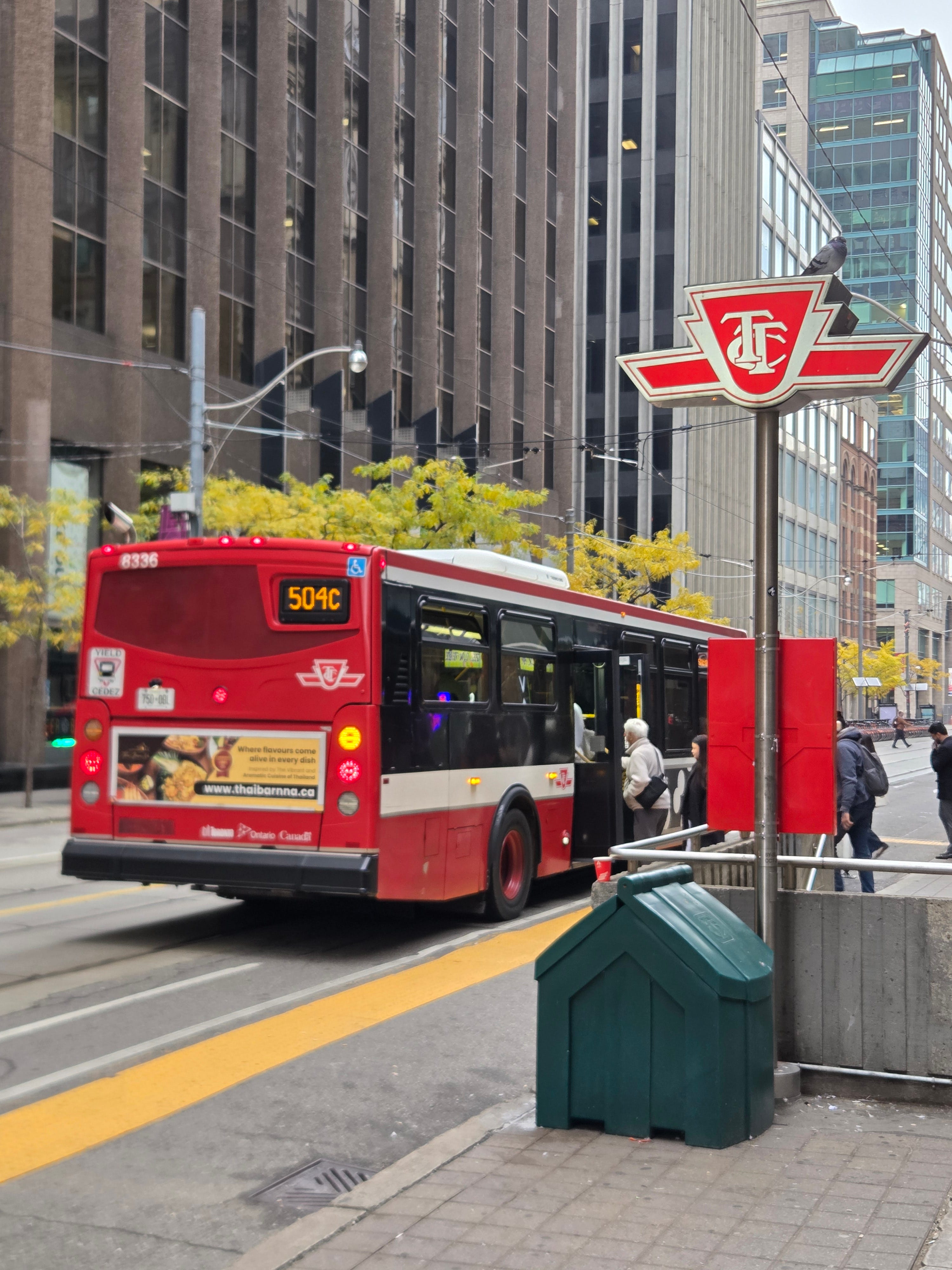
To be fair, the TTC isn’t the primary actor here. Streetcars share the road with cars, after all. Even the King Street Transit Priority Corridor allows car limited access (though drivers rarely follow the rules). In practice, this means that during rush hour streetcars are stuck behind cars that are stuck behind other cars stuck in the intersection that are stuck behind streetcars stuck behind cars. Drivers like to complain that streetcars are in their way, but streetcars move far more people than cars and operate pretty well outside of peak car hours. We could prioritize streetcars on priority routes, but we instead cut the bike in half, leaving no one happy.

This is what economists call a collective action problem. It’s a situation where we could make many people better off with better coordination. If the city was willing to more vigorously enforce car traffic impeding streetcar routes, and commit to running more streetcars and buses with the explicit intent of displacing some car traffic, it could make getting around by public transportation easier. It could, of course, also make getting around by car easier if it implemented a congestion charge, which would cut down on discretionary trips at rush hour (and push more people onto transit), but that’s been ruled out, sadly. Which makes getting transit right all the more important.
This may all seem kind of trivial. We had logistical challenges. I papered it over by spending a bunch of time and money sitting in Ubers (and contributing to traffic), and eventually we bought our way out of the problem by moving downtown. Of course, not everyone can afford that. Frankly, 30 year old me couldn’t have. Given that Toronto is the commercial heart of the country, we need to make the city work for households that don’t either have two good incomes or the bank of mom and dad.
Anyways. Here we are, south of Bloor. For now.
Technically, Leslieville is east of Bloor, which turns into Danforth east of the DVP.
This, of course, puts me in the somewhat awkward position of being a guy writing a newsletter called North of Bloor while living south of Bloor. Yes, yes. Living anywhere in Toronto is a stretch to call North of Bloor, so it’s mostly a branding issue. But, end of the day, I’m a guy from well North of Bloor who happens to live here out of necessity. So, while I’ll continue to provide context about the expansive country North of Bloor, I’ll be doing so south of Bloor.